Doors and windows take a lot more punishment than most people realise. They get hit by sun, rain, wind, daily use, swelling timber, shifting frames, and years of opening and closing. From a distance they may still look fine, but small problems have a way of showing up in everyday life.
If a room feels colder than it should, a door has started dragging, or a window has become cloudy between the panes, your home may be telling you it is time for a repair. Here are seven signs to watch for before a small fix turns into a bigger job.
1. You Can Feel A Draft Around The Frame
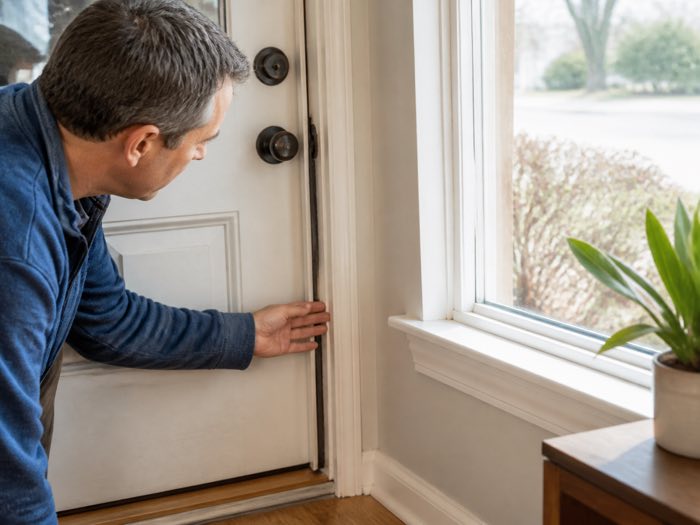
A light draft around a door or window is easy to ignore, especially if it only happens on windy days. The trouble is that moving air usually points to a gap somewhere in the seal, frame, or weather stripping. Once that gap is there, warm air escapes in winter and hot air gets in during summer.
Check around the edges with your hand. If you can feel air moving, the seal may need replacing or the frame may need adjusting. It is a simple warning sign, but it can affect comfort and energy use more than you might expect.
2. The Glass Looks Foggy Between The Panes
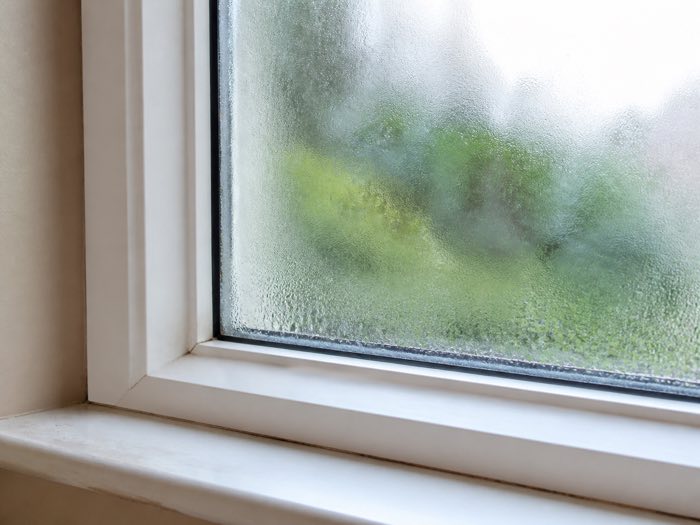
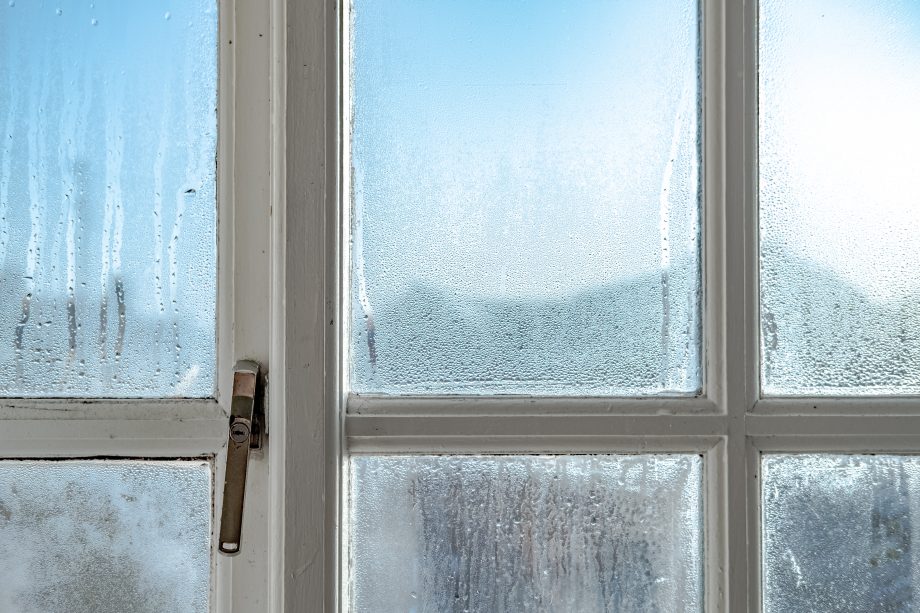
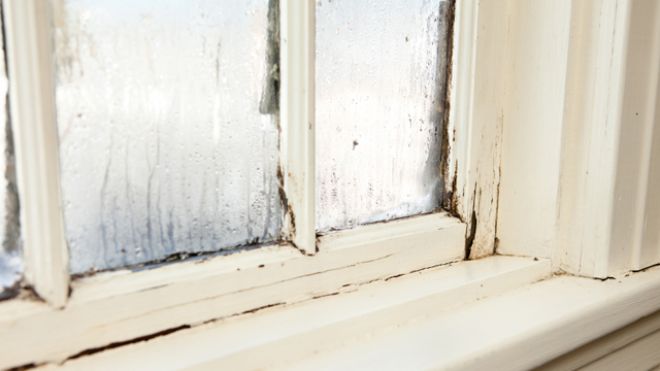
Condensation on the room side of the glass can sometimes be caused by indoor humidity. Fog or moisture trapped between two panes is different. That usually means the sealed unit has failed and moisture has found its way inside.
Once this happens, the window loses some of its insulating value. Cleaning the glass will not solve it because the moisture is inside the unit. A repair specialist can tell you whether the glass unit can be replaced or whether the whole window needs attention.
3. Doors Or Windows Are Hard To Open
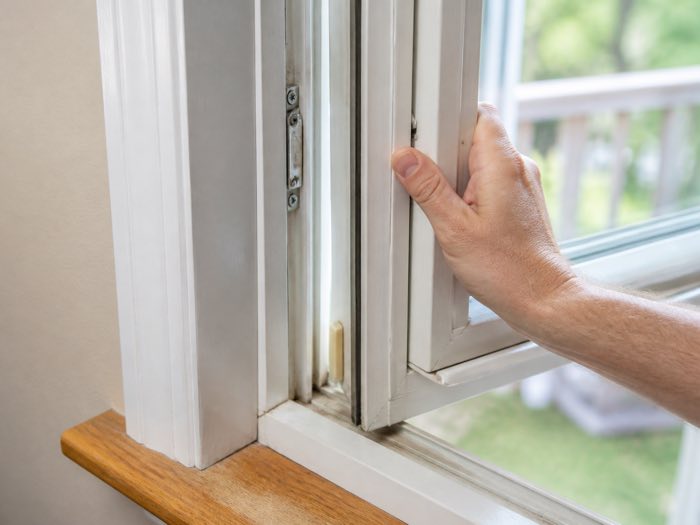
A window that sticks or a door that needs a shoulder to close is not just annoying. It can point to swollen timber, worn hinges, damaged rollers, old paint build-up, or a frame that has shifted slightly over time.
Do not force it for too long. That can damage the hardware or crack older frames. Sometimes the fix is as simple as adjusting hinges, cleaning tracks, or replacing worn parts. Other times, the frame needs more careful repair.
4. Water Is Getting In Around The Edges
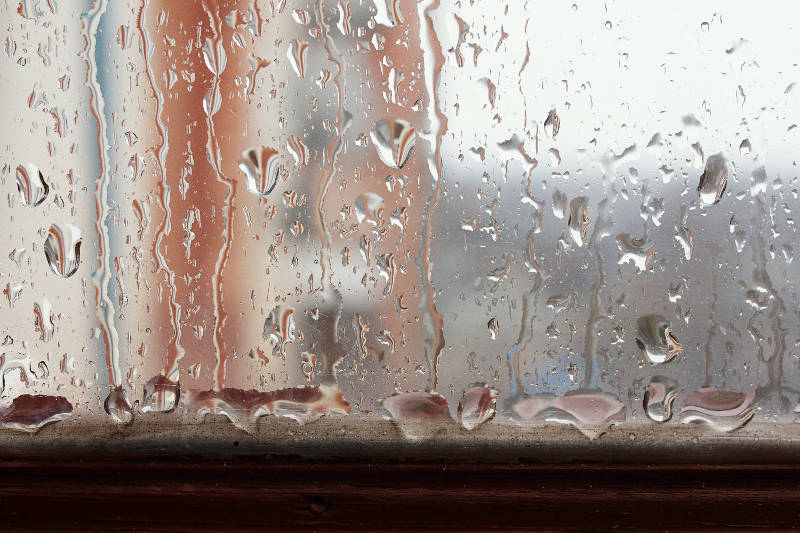
Water marks on a sill, bubbling paint, soft timber, or damp flooring near a window should be checked quickly. A leak may come from failed caulking, a poor seal, blocked drainage, or water entering higher up and running down to the window area.
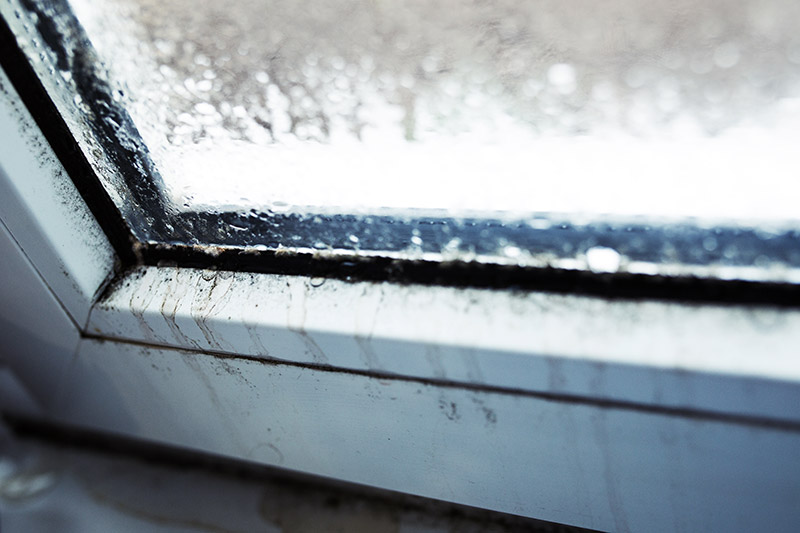
The sooner you deal with water, the better. Moisture can lead to rot, mould, stained walls, and damage that spreads beyond the window or door itself.
5. The Locks No Longer Line Up Properly
Locks and latches should meet cleanly. If you have to lift a door, push a sash, or wiggle the handle to make it catch, something has moved or worn down. That matters for security as well as everyday use.
Misaligned locks may need a hinge adjustment, a new keeper, fresh hardware, or frame repair. It is worth fixing before the lock stops working altogether.
6. Paint, Timber, Or Sealant Is Starting To Fail
Cracked paint, brittle sealant, peeling varnish, and soft spots in timber are early signs that the surface is no longer protecting the frame properly. Once moisture gets behind that outer layer, the damage can move faster.
Look closely at corners, joints, and lower sections of frames where water tends to sit. Small repairs, sanding, sealing, and repainting can often extend the life of a door or window if they are done early enough.
7. Your Rooms Feel Noisier Or Less Comfortable
If outside noise suddenly feels louder, or one room is always too hot, too cold, or harder to keep comfortable, your doors and windows may be part of the problem. Poor seals, loose glass, failing glazing, and gaps around frames all reduce performance.
A good repair should make the door or window easier to use and help the room feel more settled again. If several of these signs are showing at the same time, it is usually better to arrange an inspection instead of waiting for the next storm or cold spell to make the problem obvious.